

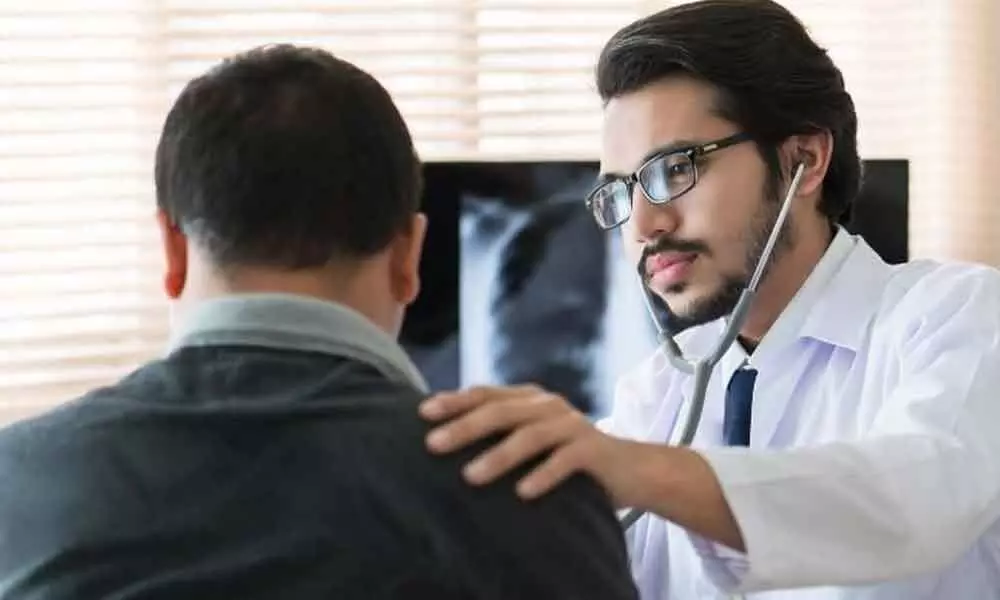
Getting a medical certificate does not need a visit to the clinic in person anymore. NextClinic allows patients to talk with doctors from home and receive proper documentation for real health problems. People can save a lot of time in this way and still get the certificates they need in the event that sickness prevents them from going to work.
Common illnesses covered
Respiratory infections are among the most frequent reasons people seek medical certificates online. Colds, flu, and similar conditions can be assessed through video calls where doctors review symptoms and provide certificates. The consultation covers how severe the symptoms are and how long recovery might take. Stomach problems also qualify for online medical certificate when they make working impossible. Doctors ask about symptoms during virtual appointments before issuing documentation. Mental health concerns like anxiety or stress can be addressed this way too, with certificates provided when these issues affect daily life.
Acute pain conditions
- Migraine headaches qualify when pain becomes severe enough to prevent concentration and normal work activities.
- Back pain is certified when movement becomes difficult and sitting or standing causes too much discomfort.
- Dental pain from emergencies receives documentation until a dentist can provide treatment.
- Muscle and joint injuries from accidents or overuse are certified based on how much movement hurts.
- Severe period pain can be documented when cramps and discomfort stop someone from functioning normally.
Skin condition documentation
Rashes, allergic reactions, and other skin problems can be assessed through video appointments. Doctors look at affected areas on camera and decide if time off work is needed. Allergic reactions with widespread rashes or swelling often need rest away from whatever caused them. Contact dermatitis from chemicals or materials at work is certified when avoiding exposure helps with healing. Shingles and similar viral infections qualify for certificates, especially when pain is intense or when lesions might spread to others.
Minor injury assessment
Sprained ankles, wrists, and other joints receive certificates when they limit movement too much for work. Doctors watch patients move during video calls and ask about pain levels to judge severity. Bruising and swelling from falls or accidents are recorded when they stop normal activities. Doctors give burn certificates according to the location of the burns and how severe they are. Small fractures that were already diagnosed at emergency departments can get extended certificates through follow-up video appointments.
Post-surgical recovery monitoring
People recovering from surgery often need certificates to stay away from work for a longer time. Doctors can check how the healing is going through video appointments and give extensions if required. The purpose of these check-ups is to see how wounds are healing, if pain medication is working as well as how recovery is doing overall. Procedures such as tooth extractions or removing skin growths can get the first certificates through online consultations. When health issues happen, doctors can check them from a distance and decide if more time away from work is required. These online consultations give patients correct advice while they remain at home and also reduce the need to go to clinics for minor updates.
Online medical services offer valid options for getting certificates for many different health conditions. These platforms make healthcare more convenient while still providing proper documentation for genuine illness that prevents people from working.
