

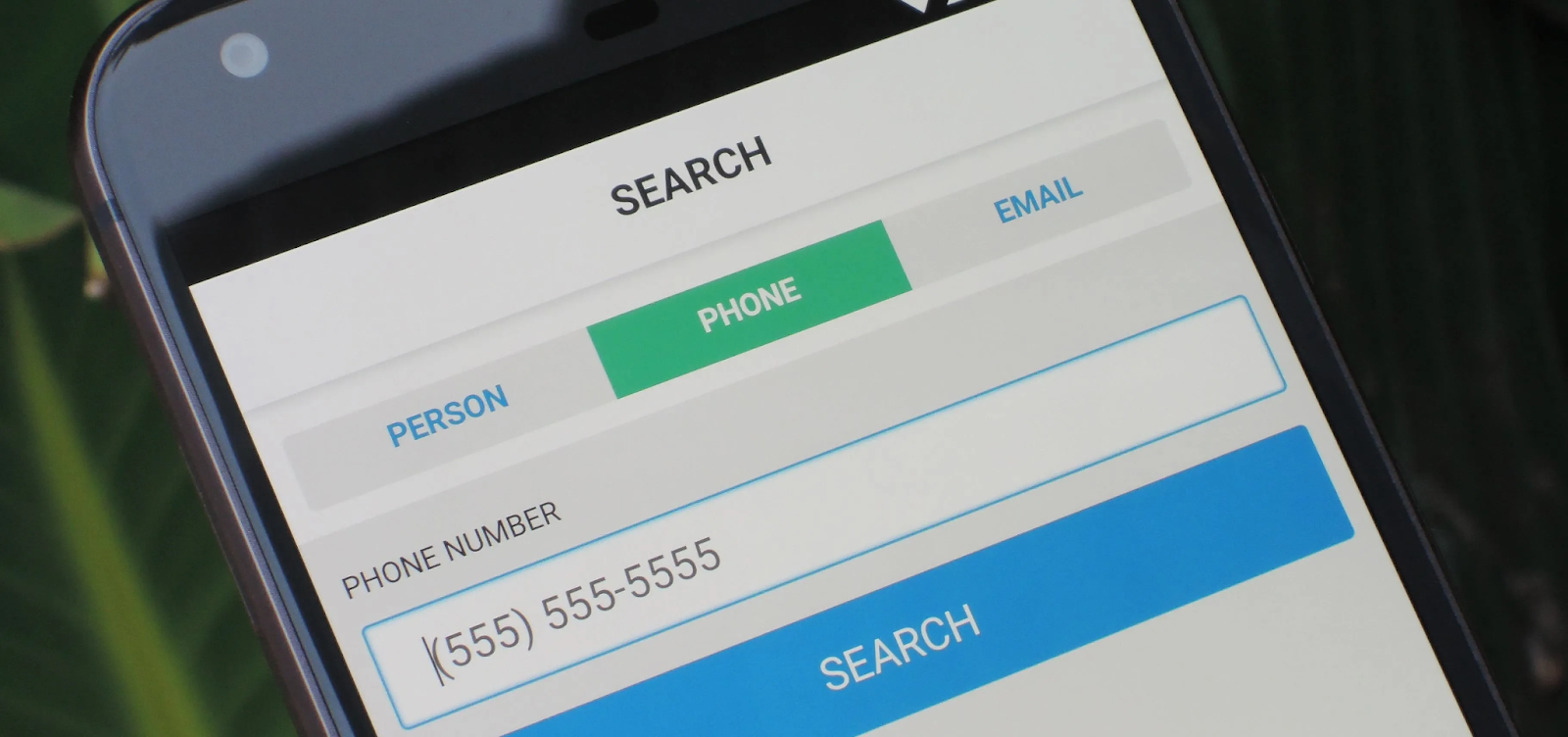
Understanding who is calling you is more important than ever. A reverse phone lookup API goes far beyond simple caller identification—it helps verify authenticity, protect privacy, and uncover meaningful insights. Whether you run a business, manage marketing campaigns, or prioritize security, using phone lookup technology can significantly improve how you handle incoming calls and data.
This article explores the most effective use cases of reverse phone lookup APIs and how they can enhance decision-making, customer interactions, and operational efficiency. From validating callers to enriching customer data, these tools serve a wide range of business needs.
Key Takeaways
A reverse phone lookup API provides a fast and efficient way to identify callers and enhance caller identification systems. By submitting a phone number, the API searches extensive databases and returns available details such as name, possible contact information, location data, and usage history.
Integrating this technology can strengthen security by detecting spam and fraudulent activity, improve data accuracy for marketing initiatives, support personalized customer interactions, and streamline fraud prevention processes.
Common applications include lead verification, call center caller identification, fraud detection, targeted marketing, and customer service optimization.
When choosing a reverse phone lookup API, factors such as accuracy, response speed, ease of integration, support quality, pricing structure, and compatibility with existing systems should be carefully evaluated.
Exploring Reverse Phone Lookup APIs
What Is a Reverse Phone Lookup API?
A reverse phone lookup API functions as a powerful identification tool that reveals information linked to a phone number. Rather than simply displaying a number, it unlocks valuable data that can support smarter communication and verification efforts. This may include basic identity details as well as broader insights such as online presence and general location history.
For businesses, this information helps establish trust, personalize interactions, and make informed decisions before engaging with callers.
How a Reverse Phone Lookup API Works
The process behind a reverse phone lookup API is straightforward and efficient:
- Request Submission: A phone number is sent to the API.
- Database Search: The system scans large datasets and public records for matches.
- Data Retrieval: Relevant information connected to the number is collected.
- Response Delivery: The results are returned in a structured format for immediate use.
For example, when receiving a call from an unfamiliar number, businesses can instantly access background details and tailor their response accordingly. This leads to more relevant conversations and improved engagement.
Key Benefits of Reverse Phone Lookup APIs
Strengthening Security
Reverse phone lookup APIs help safeguard businesses by verifying caller identities before sensitive interactions occur. This added layer of scrutiny supports:
- Detection and blocking of spam calls
- Early identification of potential fraud
- Verification of caller authenticity
These measures protect both organizations and their customers from unwanted or harmful interactions.
Improving Data Accuracy
Accurate data is essential for effective outreach and communication. Reverse phone lookup APIs help maintain clean and reliable databases by:
- Confirming contact details
- Updating outdated records
- Providing supplemental data such as line type or general location
Improved data accuracy leads to stronger marketing performance and higher engagement rates.
Enhancing Customer Relationships
Having instant access to caller information allows businesses to deliver personalized service. Customer-facing teams can:
- Recognize callers immediately
- Reference past interactions
- Resolve issues faster with relevant context
This personalized approach builds trust, loyalty, and long-term customer satisfaction.
Reducing Spam and Scam Risks
Reverse phone lookup APIs play a critical role in identifying suspicious numbers. By flagging risky activity early, businesses can:
- Prevent scam calls from reaching customers
- Identify misuse of company identities
- Protect their reputation and customers
Proactive call screening strengthens brand credibility and consumer confidence.
Practical Use Cases for Reverse Phone Lookup APIs

Verifying and Qualifying Leads
Reverse phone lookup APIs help confirm whether lead information is accurate and legitimate. This reduces wasted effort on false leads and minimizes the risk of fraudulent submissions.
Improving Caller Identification in Call Centers
Call center agents benefit from immediate access to caller details before answering a call. This enables faster resolution times and more personalized conversations, improving overall customer satisfaction.
Supporting Fraud Prevention Strategies
By identifying unusual calling patterns or suspicious numbers, businesses can proactively investigate potential threats and reduce exposure to fraudulent activity.
Enhancing Marketing Campaigns with Reliable Data
Accurate phone data allows marketers to segment audiences effectively and deliver personalized messaging. This improves targeting precision and increases conversion potential.
Strengthening Customer Support with Deeper Insights
Customer service teams can leverage caller history and context to deliver better support by:
- Anticipating customer needs
- Referencing prior interactions
- Offering proactive solutions
These insights lead to smoother experiences and higher satisfaction levels.
Choosing the Right Reverse Phone Lookup API
Key Selection Criteria
When evaluating a reverse phone lookup API, consider the following factors:
- Accuracy and reliability of the data
- Response speed for real-time decision-making
- Ease of use and clear documentation
- Quality of technical support
- Pricing flexibility and scalability
Focusing on these criteria helps ensure the solution aligns with your operational goals.
Seamless Integration with Existing Systems
An effective API should integrate smoothly with your current platforms, such as CRM systems or call management tools. Strong integration delivers:
- Reduced manual effort
- Faster access to caller insights
- Improved productivity across teams
Before full deployment, assess compatibility, consult technical documentation, and consider testing the API in a controlled environment.
Final Thoughts
Reverse phone lookup APIs offer a powerful way to improve security, data accuracy, and customer engagement. By selecting a solution that meets your needs for reliability, speed, and integration, you can enhance operational efficiency and deliver better experiences. With the right implementation, this technology becomes a valuable asset in building trust and making smarter business decisions.
