

Connectivity serves as the foundation for modern operations, serving as the bridge between internal teams and the wider world. For many enterprises, the quality of this connection dictates the efficiency of daily workflows, the reliability of client communications, and the potential for long-term growth. As reliance on digital tools increases, the transition toward advanced connection methods becomes a practical consideration for organizations looking to stabilize their technical infrastructure.
Assessing Connectivity Needs for Organizational Growth
Every enterprise encounters a unique set of demands regarding data movement. Some organizations operate primarily through cloud-based platforms, requiring consistent bandwidth for real-time collaboration. Others may rely on large file transfers, video conferencing, or high-volume customer-facing services that require a stable, high-capacity link.
When evaluating the infrastructure of a business, the first step is often to identify current limitations. Does the network slow down during peak office hours? Are there frequent interruptions that hinder staff productivity? By observing these patterns over time, leadership can better understand where the current system falls short. It is helpful to consider that as more devices, sensors, and software platforms are integrated into daily tasks, the bandwidth requirements for an average office tend to rise. Planning for future scale is often more effective than simply matching current capacity.
The Role of Fiber Optic Internet in Modern Workflows
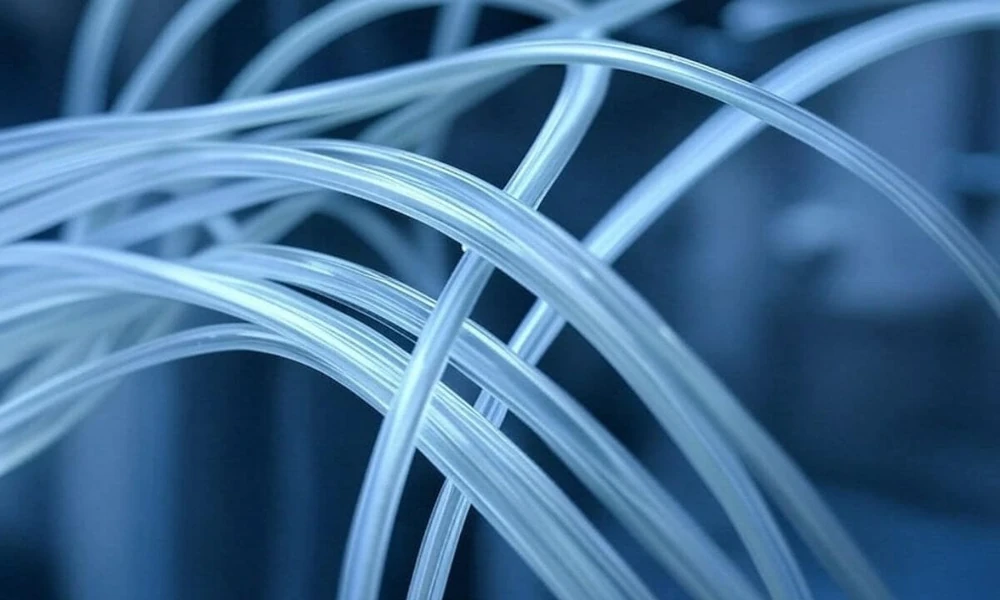
Among the various technologies available to organizations, fiber optic internet has become a central topic of discussion. Unlike traditional systems that rely on copper wiring, this technology utilizes light to transmit data across thin strands of glass or plastic. The mechanism allows for a high degree of signal integrity over distances, which can translate into more consistent speeds and lower latency.
For organizations that depend on high-speed information exchange, the benefits often center on stability. Because the signal is less susceptible to external electrical interference, many users report a higher degree of reliability during periods of heavy usage. When searching for fiber optic internet near me, it is useful to inquire about the physical delivery method to the premises. A direct connection can often provide different results than a shared infrastructure, and discussing these configurations with potential providers can help clarify what is available for a specific location.
Evaluating Potential Business Internet Providers
Selecting from the available business internet providers requires a focus on service level expectations rather than just price comparisons. A reliable partner in the technology space is typically one that offers transparent communication and a clear understanding of their service level agreements.
When beginning a conversation with a candidate, consider asking how they handle network management and what support protocols are in place during service disruptions. Reliable providers often differentiate themselves by offering proactive monitoring, which allows them to identify and resolve irregularities before they manifest as a total outage. Furthermore, consider the flexibility of the service. An organization should be able to scale its capacity as its team grows or as its digital requirements evolve. Building a relationship with a provider that views itself as a long-term partner can simplify the process of making necessary technical adjustments in the future.
Integrating New Infrastructure with Ongoing Operations
The transition to a more advanced network typically involves stages of planning, testing, and eventual full-scale adoption. It is rarely an instantaneous change; rather, it is a process that requires coordination between the chosen provider and the internal technical staff.
During the initial phase, a site assessment is a common requirement. Professionals will often evaluate the existing cabling, the layout of the facility, and the hardware currently in use to ensure compatibility. This phase is an excellent time to clarify goals, such as ensuring that remote teams have secure access to local resources or that backup systems are synchronized across the network. Taking the time to map out these requirements ensures that the new installation functions as intended from the start.
Sustaining Performance Through Strategic Oversight
Once a robust connection is in place, the focus shifts toward maintenance and optimization. Technology is not a static asset; it requires periodic review to ensure that it continues to support organizational goals. Keeping an inventory of connected hardware and reviewing usage statistics can reveal if the network is being utilized efficiently or if certain bottlenecks have emerged.
Routine check-ins with your service provider can also keep leadership informed about technological advancements or service improvements that might benefit the organization. As the landscape of data transmission changes, staying informed allows a business to make proactive adjustments rather than reactive ones.
Long-term success in digital connectivity is usually found in this commitment to gradual improvement. By aligning infrastructure choices with the practical needs of the workforce and maintaining an open dialogue with reliable partners, organizations can ensure that their technical foundations remain strong. This approach to connectivity supports the daily operations of today while remaining flexible enough to adapt to the requirements of the future. The goal is to create a seamless digital environment where the connection itself becomes a background element, consistently and quietly enabling the work that defines the business.
